

Geekzilla Podcast is regularly described as a show that brings together technology, gaming, and broader fandom conversation in one place. One published guide summarizes it as covering tech, gaming, and pop culture, while the brand’s own site describes updates and insights spanning SaaS, entertainment, and technology.
Because the show is positioned as more than quick headlines, this guide explains what “deep dives” can look like, how to listen responsibly, and how to turn episodes into practical learning—without treating any single episode as “the final word.”
What a “deep dive” should deliver
A deep dive is useful when the show slows down long enough to add context: what changed, what led to it, and what it could mean next. That structure matters because geek media is fast-moving, and it’s easy to mix confirmed facts with rumors or marketing spin.
A cautious listening rule: let Geekzilla Podcast spark curiosity, then confirm details through primary sources (official announcements, patch notes, publisher pages) before you share anything time-sensitive.
The topics listeners can expect
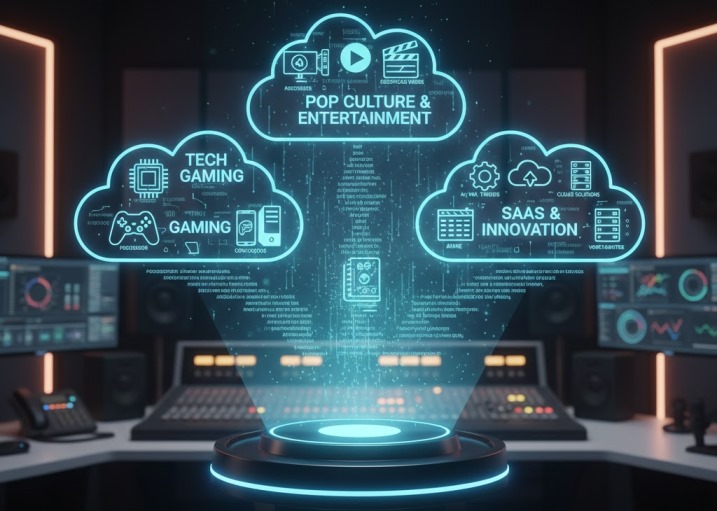
Across multiple write-ups, this podcast is framed as a wide “umbrella” listen that touches both fandom and tech-adjacent interests.
Tech + gaming, explained simply
If you want a geek culture podcast that’s approachable, start with episodes that explain terms and trade-offs rather than assuming you already know the jargon. Guides also describe a technology and gaming podcast mix—where the discussion connects news to real-world use (what to buy, what to skip, what to watch for).
When Geekzilla Podcast shifts into entertainment talk, many summaries mention attention to pop culture trends, from blockbuster releases to the online communities that form around them.
Stories, fandom, and analysis
Some coverage highlights an interest in narrative detail—comic book lore, franchise history, and why certain story choices still matter to fans.
In these moments, it’s most helpful when it clearly separates opinion (“I enjoyed this”) from reasoning (“here’s what the text supports”).
How to listen in an instructive, cautious way
Podcasts can sound authoritative even when hosts are brainstorming. Use it like you’d use a smart conversation: valuable, but not automatically verified.
1) Capture checkable claims
When Geekzilla Podcast makes specific claims—release windows, specs, prices—note them. If an episode includes in-depth discussions, ask yourself what evidence is offered: firsthand testing, a cited source, or pure interpretation.
2) Keep review and reporting apart
Some guides say the show blends gaming news and reviews with commentary.
That’s great—if you label what you’re hearing. Reporting answers “what happened.” Reviews answer “what I think.” Confusing the two is how rumors spread.
3) Treat interviews as perspectives
Another commonly listed feature is interviews with industry experts.
Those conversations can be gold for context, but they’re still one perspective. Be extra careful when the topic involves safety, security, or major purchases: cross-check with independent reporting and official documentation.
How to pick episodes that match your goals
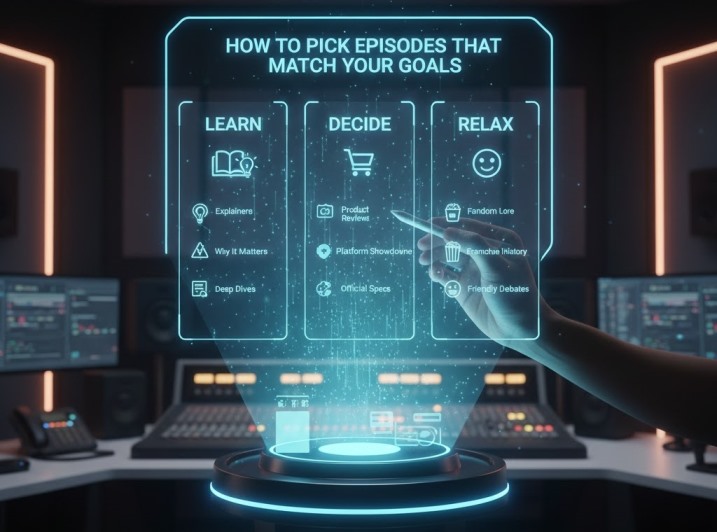
To stay efficient, decide what you want from Geekzilla Podcast before you press play:
Start with the verified hits: Look for the “Retro Rewinds” series for deep dives into franchise history, or the “Tech Titans Unleashed” segment for industry news. These recurring formats consistently offer the best balance of context and analysis.
- Learn: choose explainers and “why it matters” episodes.
- Decide: choose product and platform coverage, then verify against the official specs.
- Relax: choose fandom deep dives, but keep debates friendly and evidence-based.
If a topic feels emotionally charged (console wars, “toxic fandom” controversies, online drama), treat the episode as a lens, not a verdict. Step away from hot takes, and come back when you can separate facts from feelings.
Also Read:
Turning episodes into practical learning
You’ll get more value from Geekzilla Podcast if you convert listening into small actions:
- After episodes about technology updates and innovations, pick one feature to test for a week.
- When the conversation touches work tools, write down any SaaS insights, then verify pricing and features on the vendor’s official docs before adopting them.
- If Geekzilla Podcast debates a franchise controversy, summarize both sides in two sentences each. This keeps your take balanced and reduces “all heat, no light” discussions.
Used this way, Geekzilla Podcast becomes a guide to better questions—while your verification habits keep you grounded.
Conclusion
Geekzilla Podcast can be a smart companion for anyone exploring tech, gaming, and fandom. Use each episode as a starting point, not a final authority: note key claims, verify them with primary sources, and enjoy the analysis with an open mind. That balance keeps learning accurate, fun, and respectful always.
FAQs
Is Geekzilla Podcast beginner-friendly?
Many summaries describe Geekzilla Podcast as adding context that helps newcomers follow along, especially when topics cross tech and entertainment.
Where do I find official updates?
The Geekzilla Podcast website presents itself as a hub for updates and community information.
How do I avoid sharing unverified info from Geekzilla Podcast?
Pause on “confirmed” claims, look for the original source (publisher, platform, or developer), and share only what you can corroborate from primary documents.
